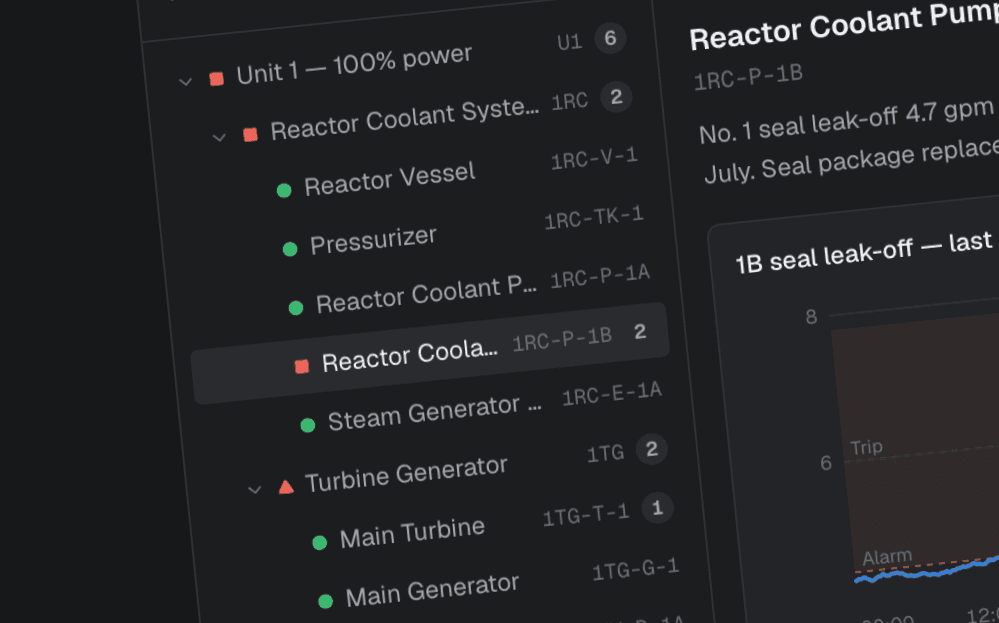
Operator apps
The screens your crews and engineers work from every shift.
- Live process views
- Operator rounds
- Shift handovers
Whatever your operation needs, from the shop floor to the cloud.
Built by engineers from





01Full stack
Sensors, gateways, robots.
Apps, data, integrations.
Agents that show their sources.
02How we work
Thirty minutes with an engineer to scope what you need.
An honest view
On site with your crews, then a plan together.
A plan before any code
Working software on your own systems.
A demo every week
Into production, deployed on your network.
Software your crews use
Your code, your docs, your team trained.
We stay on call
03What we build
If your operation runs on it, we can build it.
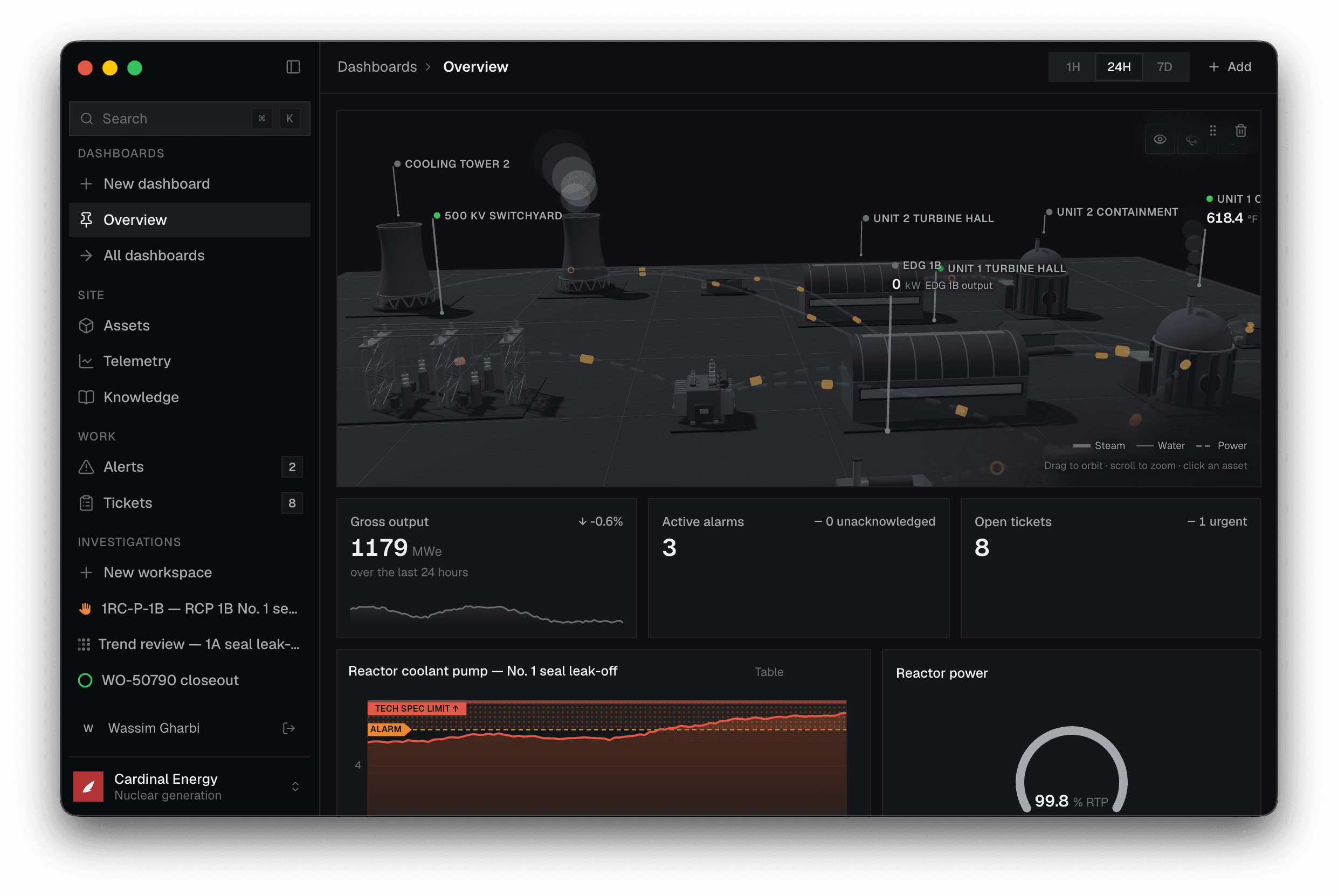
The screens your crews and engineers work from every shift.
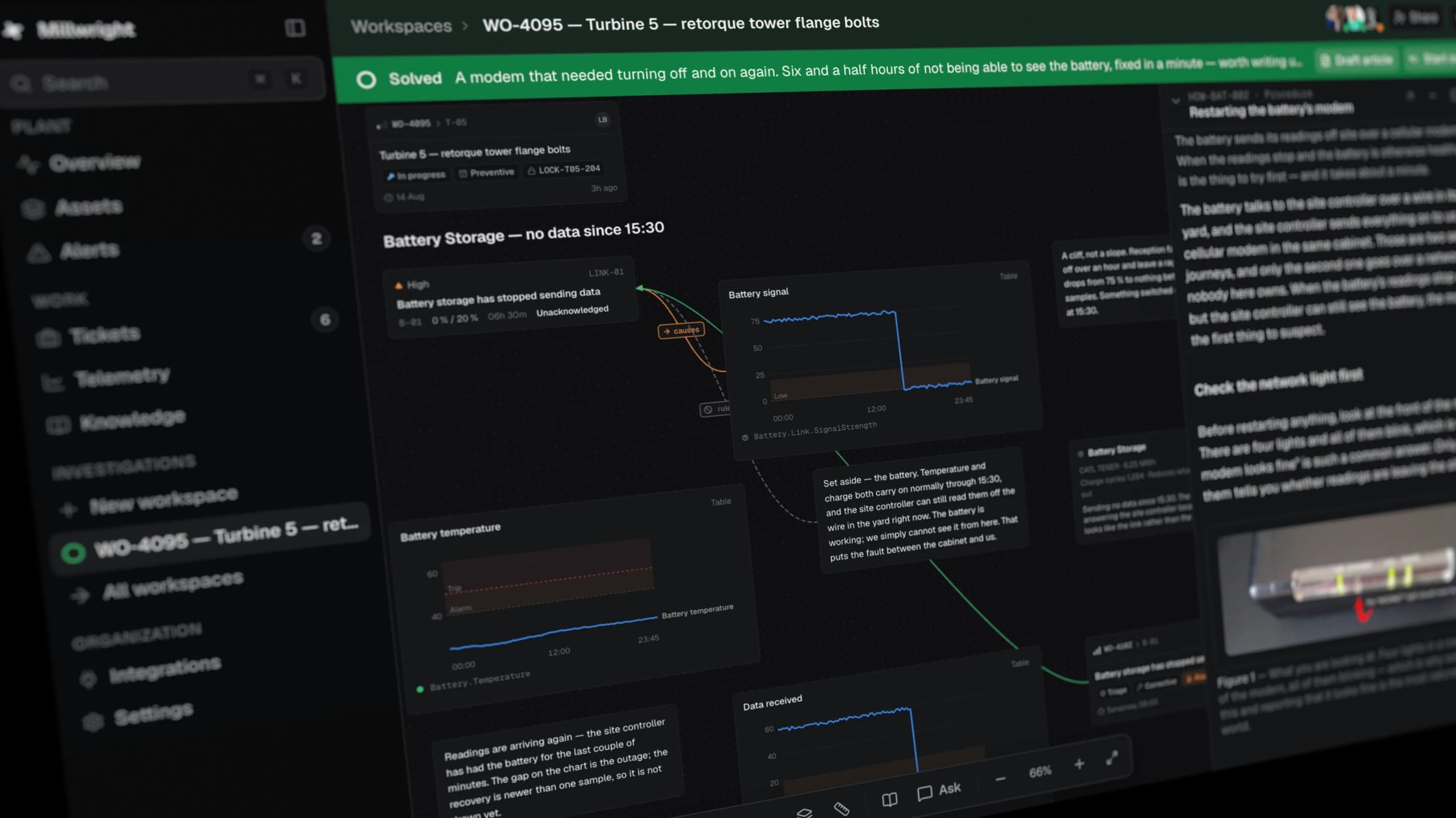
Agents that read your trends, alarms and procedures, and cite them.
The tool on one PC that nobody dares touch, rebuilt beside the original.
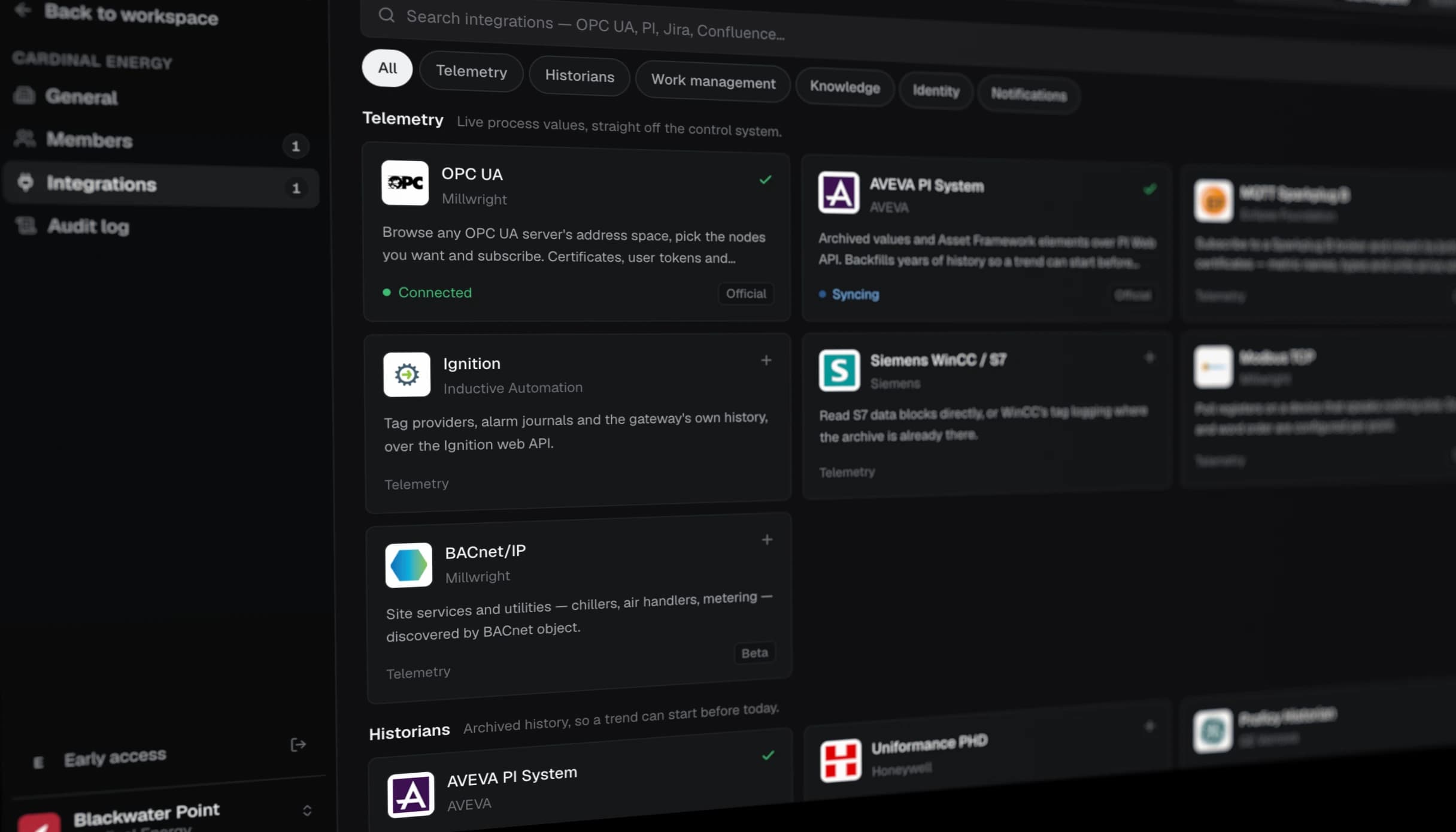
PLCs, historians, CMMS and ERP joined under names everyone agrees on.
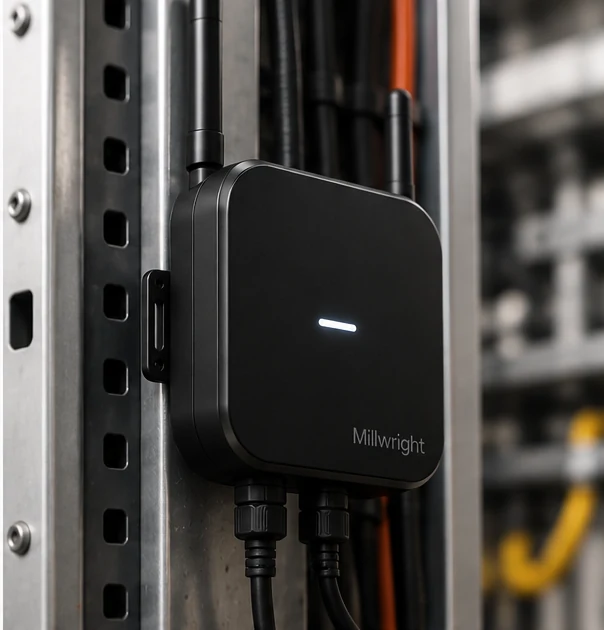
Software on the floor that keeps working when the network does not.
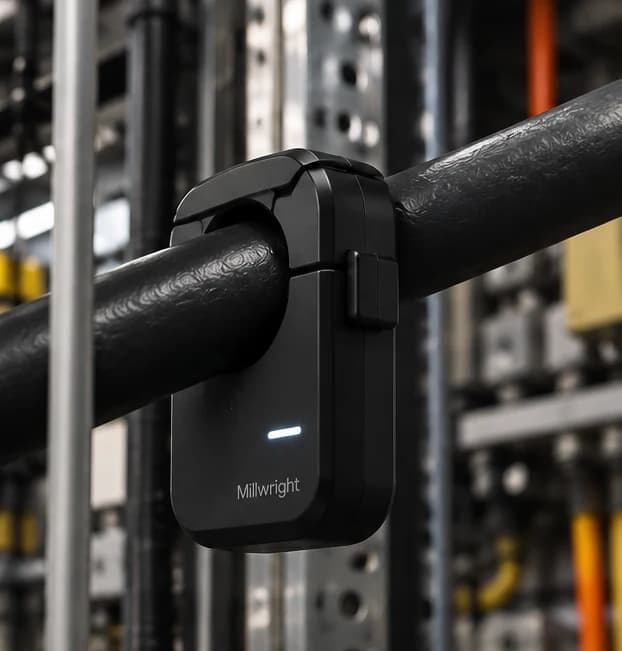
Sensors and devices for the machines their vendors never connected.
04Industries
05The team
Vehicles and the factories that build themSoftware and infrastructure at planet scaleGoogle's in-house startup incubatorToyota's software and mobility armReal-time marketplaces and autonomyThe Toyota Production System06Engagements
Find what's worth building.
Built and shipped in your plant.
Forward Deployed Engineers on your team.
07Why Millwright
08Questions
Anything that helps an industrial operation run: operator apps, data and integration, AI agents, edge software, hardware retrofits, or the rewrite of a tool that has outgrown the one PC it runs on. Most projects cross more than one of those, and that is the point of one team that works at every layer. If you are not sure it is a fit, ask; the first call costs you thirty minutes.
No. We build on the stack your team already supports, in your cloud or on your servers. Where a Millwright connector or component would save you real time, we will say so and show you the trade-off, and you decide.
You do, from the first commit. The code lives in your repositories under your license, the infrastructure is in your accounts, and there is no runtime or per-seat fee for software you paid to have built.
With a call, then usually a visit to site. From there we write up what we would build first, who would build it and what it would cost, and you see all of it before any work starts. Some clients start with a consulting engagement; others bring us in as forward deployed engineers, working inside their team. We shape it to the work rather than to a rate card.
Yes. We start read-only, work through your OT security and change-management process, and never write to a control system without your engineers' sign-off. We are used to segmented networks, validated systems and plants that cannot reach the internet, and we plan the delivery around them from day one.
That is how we prefer to work. Your people know the plant; we bring the software. We pair with your engineers, work in your tools and repositories, and leave your team able to run and extend what we built.
Your team runs it, with documentation and training written for the people who will be on call. We stay available during the transition, and many clients keep us on for the next release; none are required to.
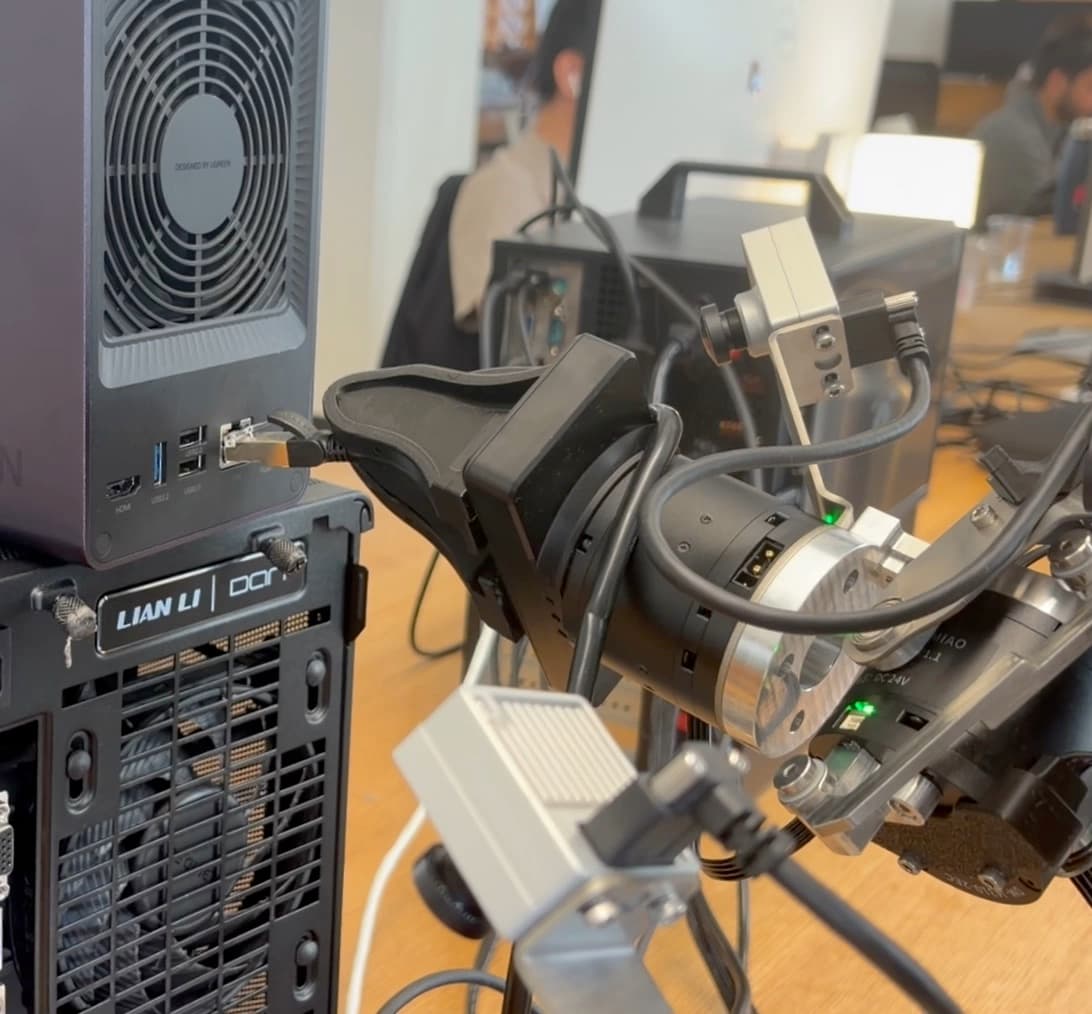
Thirty minutes with an engineer.